
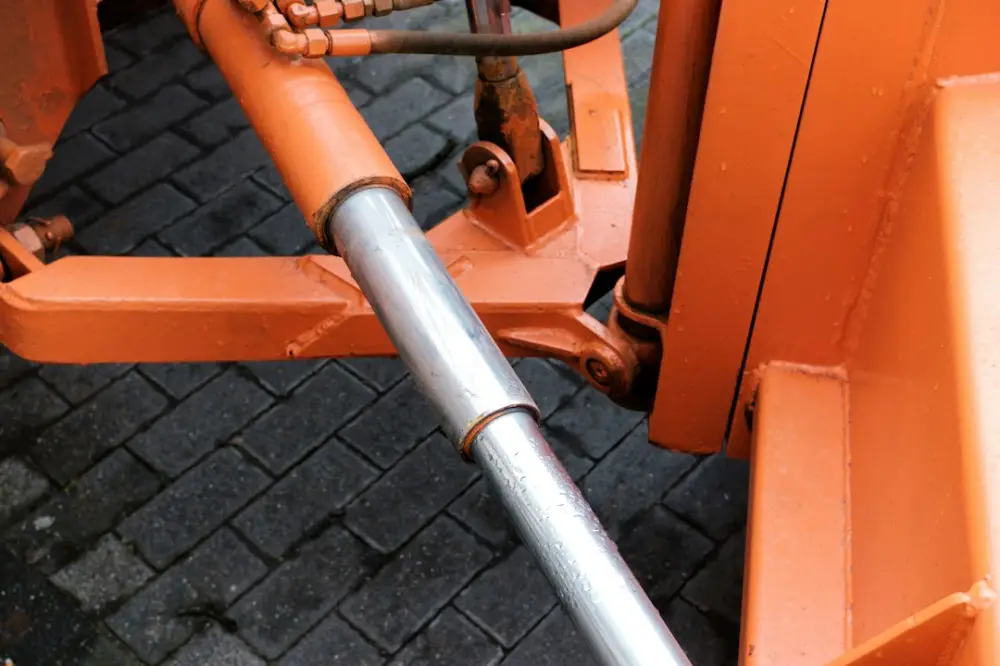
Comparing winch-system requirements involves evaluating power sources and installation complexity. Electric winches rely on a vehicle’s battery and alternator, offering easy installation for occasional use. In contrast, hydraulic winches tap into the power steering pump, providing a 100% duty cycle for heavy-duty, continuous pulling, though they require more complex plumbing and constant engine operation.
Selecting the right system depends largely on the frequency of your recovery operations and the environment in which you work. For coastal operators, the decision often balances the immediacy of electric power against the relentless endurance of hydraulic pressure. Understanding these mechanical demands ensures that your equipment remains a tool of utility rather than a point of failure during a critical pull.
Electric vs. Hydraulic Winch Systems: The Basics
At the most fundamental level, the difference between these two systems is how they convert energy into pulling force. Electric winches use a DC motor, typically powered by a 12V or 24V system, to turn a series of planetary or worm gears. These units are self-contained and relatively compact, making them the standard choice for off-road enthusiasts and light-duty marine applications. Because they draw directly from the battery, they can operate for short bursts even if the vehicle’s engine stalls, which is a significant safety consideration in precarious recovery scenarios.
Hydraulic winches, however, function as a component of a larger fluid-power system. They utilize a hydraulic motor driven by pressurized fluid, usually sourced from the vehicle's power steering pump or a dedicated Power Take-Off (PTO) unit. These systems are common in industrial towing, commercial fishing vessels, and heavy-duty utility trucks. While an electric winch generates heat as it works, eventually requiring a cooling-down period, a hydraulic winch can pull at its maximum rated capacity for hours without overheating, provided the fluid is properly cooled. This makes them the preferred option for sustained, high-volume work where downtime is not an option.
Key Installation Requirements for Electric Winches
Installing an electric winch is generally a straightforward weekend project, but it requires careful attention to the electrical load. A winch pulling a heavy load, such as a 12,000-pound capacity unit, can draw upwards of 400 to 500 amps. This massive draw necessitates heavy-gauge wiring—often 2/0 AWG or larger—to prevent voltage drops and fire hazards. Many users find that the growing shift toward synthetic ropes in these systems helps reduce the overall weight on the front bumper, which is a helpful consideration when adding the weight of a high-capacity battery.
To properly support an electric winch, you must follow these steps:
- Battery Upgrade: Standard starting batteries are rarely sufficient. A deep-cycle or dual-purpose AGM battery is often required to handle the deep discharge cycles.
- Alternator Capacity: You may need a high-output alternator to keep up with the recovery of the battery charge after a long pull.
- Circuit Protection: Installing a high-amperage fuse or circuit breaker close to the battery is essential to protect the vehicle’s electrical system from shorts.
- Grounding: The winch must be grounded directly to the battery frame or engine block using a cable of the same gauge as the positive lead.
In coastal environments, electrical connections are particularly vulnerable to corrosion. Using marine-grade tinned wire and sealing all terminals with heat-shrink tubing and dielectric grease is a standard requirement to prevent the salt air from degrading the system's conductivity over time.
Power and Plumbing Needs for Hydraulic Winches
The installation of a hydraulic winch is significantly more complex than its electric counterpart. Because it relies on fluid dynamics, you are essentially modifying the vehicle's plumbing. If you are tapping into the power steering system, you will need a vehicle-specific adapter kit that includes a high-pressure relief valve. This valve ensures that the winch doesn't over-pressurize the steering box, which could lead to catastrophic failure of the steering linkage during a recovery.
Hydraulic systems require a reservoir to hold the fluid, high-pressure hoses to transport it, and often an oil cooler to dissipate the heat generated by the pump. The plumbing must be rated for the specific PSI (pounds per square inch) and GPM (gallons per minute) required by the winch motor. For example, a Mile Marker hydraulic winch might require a flow rate of 3.5 GPM at 1500 PSI to reach its rated pulling speed. If the pump cannot provide this, the winch will operate much slower than advertised. Unlike electric systems, the engine must be running for the winch to function, meaning if your vehicle is submerged or the engine is disabled, the winch becomes dead weight.
How to Choose the Best Winch for Your Recovery Needs
The choice between electric and hydraulic often comes down to the frequency of use. If you are an occasional weekend explorer or a boat owner who only needs to pull a trailer up a ramp once a week, an electric winch is almost always the better choice due to its lower cost and ease of installation. However, for those working in commercial coastal operations—such as clearing debris from shorelines or managing heavy moorings—the durability of hydraulics is unmatched. Interestingly, some sailors still prefer manual winches for certain tasks to avoid the complexity of power systems altogether, highlighting that the "best" tool is the one that fits the specific operational constraints.
Consider the following factors when making your choice:
- Weight: Electric winches are generally lighter and don't require external pumps or reservoirs.
- Maintenance: Hydraulic systems require periodic fluid changes and inspections for leaks in the hoses, while electric systems require battery maintenance and terminal cleaning.
- Speed: Electric winches are typically faster under light loads but slow down significantly as the load increases. Hydraulic winches maintain a more consistent speed throughout the pull.
- Submergence: While many modern electric winches are IP68 rated for water resistance, hydraulic motors are inherently sealed and can operate underwater indefinitely without risk of electrical shorting.
Comparing Duty Cycles and Performance Trade-offs
The term "duty cycle" refers to how long a winch can operate before it needs to rest. Electric winches have a limited duty cycle because the resistance in the motor generates heat. If you pull for five minutes, you might need to wait twenty minutes for the motor to cool down. In a high-stress recovery, this delay can be frustrating or even dangerous if the tide is coming in or the terrain is shifting. For more information on mechanical standards, the Wikipedia page on winches provides a deep dive into the engineering behind these different drive mechanisms.
Hydraulic winches have a 100% duty cycle. As long as the engine is turning the pump and the fluid is being cooled, the winch will pull. This is a critical requirement for professional recovery services. The trade-off is the "engine-on" requirement. If you are stuck in a position where the engine cannot run—perhaps due to a steep angle or fuel starvation—the hydraulic winch is useless. Some advanced operators solve this by using an electric-over-hydraulic system, though this adds another layer of complexity and cost that is usually reserved for specialized industrial equipment.
Real-World Examples: Warn VR EVO and Superwinch Tiger Shark
To put these requirements into perspective, look at popular models like the Warn VR EVO series. These are classic electric winches designed for the consumer market. They feature a waterproof Albright contactor and a corded remote, prioritizing ease of use. The installation involves bolting the unit to a winch-ready bumper and running two wires to the battery. It is an ideal solution for a Jeep or a light truck used for occasional trail recovery.
In contrast, the Superwinch Tiger Shark series offers a range of electric options, but when you step up to their industrial hydraulic lines, the requirements shift toward permanent mounting on flatbed tow trucks or heavy utility vehicles. These units are built with ruggedized steel housings and large-diameter drums to handle thick steel cables or heavy-duty synthetic lines. While a Warn VR EVO might be perfect for pulling a stuck SUV out of the sand, a hydraulic Superwinch is what you would expect to see on a coastal salvage vessel pulling a grounded skiff back into the channel. The difference in hardware is visible in the sheer mass of the hydraulic motor compared to the electric housing.
Selecting the Right Winch System for Your Vehicle
When selecting your system, start by calculating your Gross Vehicle Weight Rating (GVWR) and multiplying it by 1.5. This gives you the minimum pulling capacity you should look for. From there, look at your vehicle's existing infrastructure. Does your engine bay have room for an extra hydraulic reservoir and the necessary hose routing? Or is your battery tray large enough to accommodate a Group 31 AGM battery? These physical constraints often dictate the choice as much as the performance specs do.
For most users, the electric winch remains the most practical choice due to its versatility and the fact that it doesn't require permanent modifications to the vehicle's steering or cooling systems. However, never underestimate the power of a hydraulic system if you anticipate long, grueling pulls in harsh environments. At Winches Club, we focus on these practical distinctions to help you understand the forces at play in marine and coastal operations. Whether you are choosing between power sources or exploring the nuances of recovery gear, grounding your decision in technical requirements ensures your equipment will perform when the environment is at its most demanding.