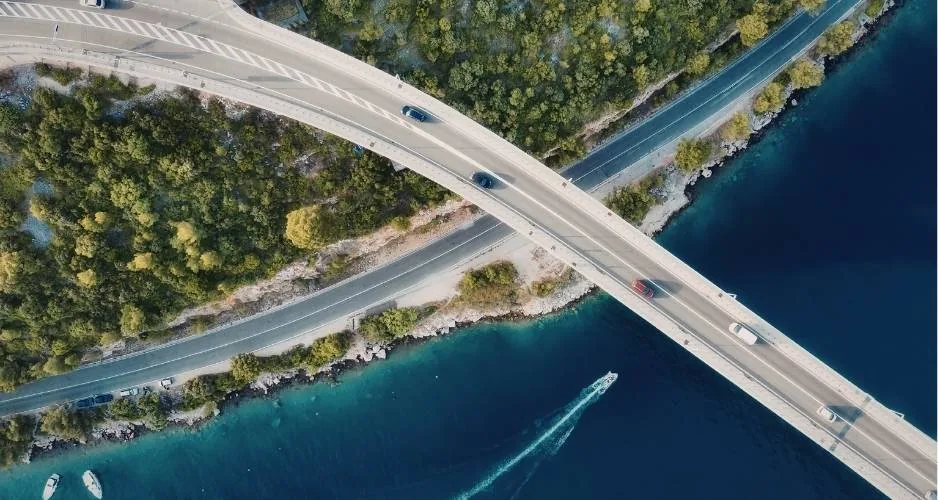
Exploring the Foundations of Coastal Infrastructure
Coastal infrastructure plays a vital role in supporting human activity along shorelines, enabling transport, trade, protection, and access to marine environments. From harbours and seawalls to jetties and breakwaters, these structures are designed to operate in some of the most demanding natural conditions on Earth.
Understanding the foundations of coastal infrastructure helps explain how these systems function, why they are built the way they are, and how they interact with dynamic coastal environments.
What Is Coastal Infrastructure?
Coastal infrastructure refers to man-made structures constructed along coastlines or in nearshore environments to support economic, social, and environmental functions.
Common examples include:
Ports and harbours
Seawalls and revetments
Breakwaters and groynes
Piers, jetties, and slipways
Coastal access and navigation structures
Each structure serves a specific purpose while responding to local coastal conditions.
Why Coastal Infrastructure Is Necessary
Supporting Human Activity Along the Coast
Coastal areas are hubs of activity, supporting shipping, fishing, tourism, and recreation. Infrastructure enables safe access to these environments while reducing risk to people and assets.
Key reasons for coastal infrastructure include:
Protecting shorelines from erosion and flooding
Enabling marine transport and navigation
Supporting coastal communities and economies
Managing sediment and wave energy
Without infrastructure, many coastal activities would be unsafe or impractical.
Understanding Coastal Forces and Constraints
Building in a Dynamic Environment
Coastal infrastructure must withstand powerful natural forces. Designers must account for environmental factors that directly influence structural performance.
Key coastal forces include:
Wave energy and sea state
Tidal range and currents
Wind exposure
Sediment movement and erosion
Sea-level variability
Ignoring these forces can lead to structural failure or unintended environmental impacts.
The Role of Geology and Seabed Conditions
Why Foundations Matter
The success of coastal infrastructure depends heavily on what lies beneath the surface. Seabed composition and coastal geology determine how loads are transferred and how stable a structure will remain over time.
Important geological considerations include:
Rock type and strength
Sand, gravel, or clay composition
Scour risk around foundations
Long-term settlement and stability
Proper site investigation is critical before construction begins.
Types of Coastal Infrastructure Foundations
How Structures Are Anchored in Place
Different coastal structures require different foundation solutions depending on their function and environment.
Common foundation types include:
Pile foundations driven into the seabed
Gravity foundations relying on weight and mass
Caisson structures used in deeper water
Rock armour bases for wave energy dissipation
Each approach balances strength, durability, and environmental compatibility.
Materials Used in Coastal Infrastructure
Durability in Harsh Marine Conditions
Materials used in coastal infrastructure must resist corrosion, abrasion, and constant exposure to saltwater.
Typical materials include:
Reinforced concrete
Steel and treated metals
Natural stone and rock armour
Composite and modern engineered materials
Material choice directly affects lifespan, maintenance needs, and sustainability.
Environmental Considerations in Coastal Design
Balancing Protection and Natural Processes
Modern coastal infrastructure increasingly considers environmental impact. Structures can alter sediment flow, disrupt habitats, and change coastal dynamics.
Key environmental factors include:
Effects on erosion and deposition patterns
Impact on marine ecosystems
Water flow and sediment transport changes
Sustainable design aims to work with natural processes rather than against them.
Maintenance and Longevity of Coastal Structures
Planning for Long-Term Performance
Coastal infrastructure is subject to continuous wear. Regular inspection and maintenance are essential to ensure safety and effectiveness.
Maintenance considerations include:
Structural fatigue and corrosion
Damage from storms or extreme events
Ongoing sediment management
Long-term planning reduces risk and extends infrastructure lifespan.
The Future of Coastal Infrastructure
Adapting to Changing Coastal Conditions
As sea levels rise and weather patterns shift, coastal infrastructure must adapt. Future designs focus on resilience, flexibility, and sustainability.
Emerging trends include:
Nature-based coastal solutions
Adaptive and modular structures
Improved materials and monitoring systems
Understanding foundational principles is key to building infrastructure that lasts.
Coastal infrastructure exists at the intersection of engineering and the natural environment. Strong foundations, informed design, and environmental awareness are essential for ensuring these structures perform safely and effectively.
By understanding how coastal infrastructure is built and why foundations matter, decision-makers can better protect coastlines, support marine operations, and plan for a changing future.