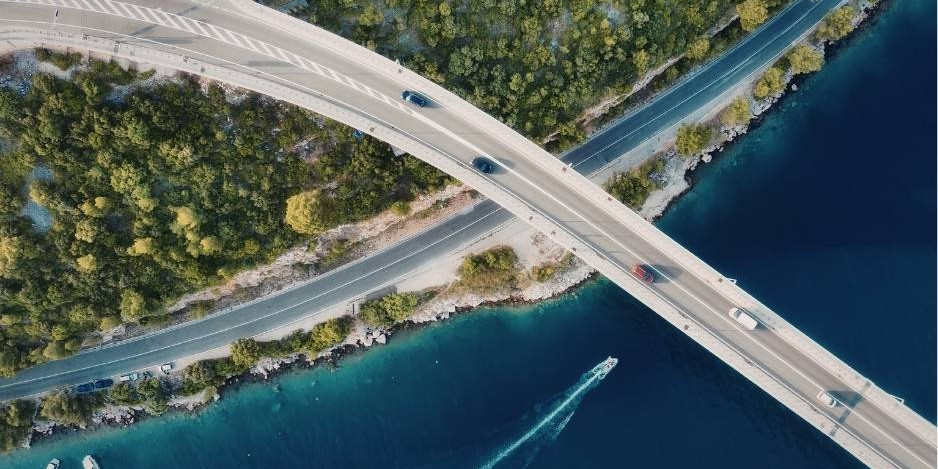
Coastal systems are among the most dynamic and complex environments on Earth. Constantly changing under the influence of natural and human-driven forces, coastlines are shaped by the interaction of land, sea, and atmosphere. Understanding these forces is essential for managing coastal areas, protecting ecosystems, and supporting sustainable human activity.
What Are Coastal Systems?
Coastal systems refer to the interconnected environments where land meets the sea. These include beaches, cliffs, dunes, estuaries, salt marshes, and nearshore waters. Rather than being static landscapes, coastal systems are continuously reshaped by energy and material moving through them.
Key components of coastal systems include:
- Sediment sources (sand, gravel, silt)
- Transport processes (waves, currents, wind)
- Stores such as beaches or offshore bars
- Outputs, where sediment is removed or redistributed
Together, these elements create a constantly evolving coastal environment.
The Role of Wave Energy
How Waves Shape Coastlines
Waves are one of the most powerful forces shaping coastal systems. Generated by wind, waves transfer energy toward the shore, where they erode, transport, and deposit sediment.
Wave energy influences:
- Erosion of cliffs and headlands
- Formation of beaches and bays
- Sediment movement along the coast
High-energy waves tend to remove material, while low-energy conditions allow sediment to settle and build up beaches.
Longshore Drift and Sediment Transport
The Movement of Coastal Material
Longshore drift occurs when waves approach the shoreline at an angle, moving sediment along the coast in a zigzag pattern. This process plays a crucial role in shaping beaches and redistributing material.
Effects of longshore drift include:
- Beach growth in some areas
- Sediment starvation in others
- Formation of spits and barrier beaches
Interrupting this process, such as through coastal structures, can significantly alter coastal balance.
Tides and Sea-Level Change
Vertical Forces at Work
Tides influence how far waves travel inland and how sediment is redistributed across coastal zones. Changes in sea level, whether gradual or sudden, have long-term impacts on coastal systems.
Key tidal and sea-level influences include:
- Increased flooding during high tides
- Saltwater intrusion into estuaries
- Changes in erosion patterns
Rising sea levels amplify existing coastal processes, increasing pressure on natural and human systems.
Wind as a Coastal Shaping Force
The Importance of Aeolian Processes
Wind plays a major role in shaping sandy coastlines, particularly through dune formation. Dry, loose sediment can be transported inland, forming dunes that act as natural coastal defences.
Wind-driven processes help:
- Stabilise beaches
- Protect inland areas from storms
- Support unique ecosystems
Healthy dune systems are vital for coastal resilience.
Geological Structure and Coastal Shape
Why Some Coasts Erode Faster Than Others
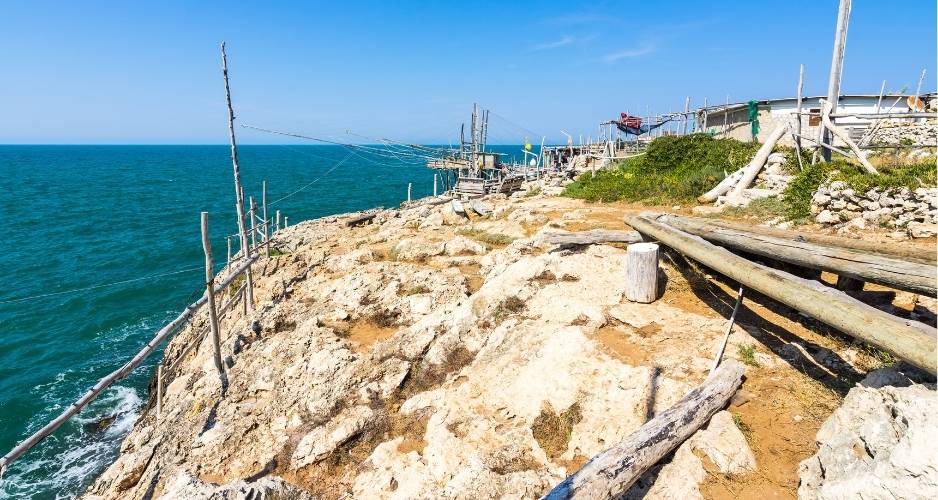
The underlying geology of a coastline determines how it responds to erosional forces. Hard rock coastlines resist erosion, while softer materials erode more rapidly.
Geology influences:
- Cliff stability
- Rate of erosion
- Shape of bays and headlands
This explains why coastlines vary dramatically over short distances.
Weather Events and Storm Impact
Short-Term Forces with Long-Term Effects
Storms deliver intense wave energy, storm surges, and heavy rainfall, causing rapid coastal change. While storms are temporary, their impacts can reshape coastlines for years.
Storm effects include:
- Beach erosion
- Cliff collapse
- Flooding of low-lying areas
Frequent storms can accelerate long-term coastal change.
Human Activity and Coastal Modification
How People Influence Coastal Systems
Human actions increasingly shape coastal systems. Coastal development, dredging, and engineered defences alter natural processes.
Common human impacts include:
- Disruption of sediment flow
- Increased erosion down-drift
- Reduced natural coastal flexibility
Understanding natural forces is essential before intervening in coastal environments.
Why Coastal Systems Are Always Changing
Coastal systems exist in a constant state of adjustment. Energy inputs, sediment supply, and environmental conditions are rarely balanced for long.
This dynamic nature means:
- Change is natural and ongoing
- Management must be adaptive
- Long-term planning is essential
Recognising this helps set realistic expectations for coastal protection.
The Importance of Understanding Coastal Forces
Understanding the forces that shape coastal systems is critical for conservation, navigation, recreation, and infrastructure planning. Informed decisions reduce risk, protect ecosystems, and support sustainable coastal use.
By respecting how coastlines naturally function, coastal systems can be managed more effectively for future generations.